Car Air Conditioning in Darwin
Family-owned and customer-focused, our qualified technicians deliver honest advice, advanced diagnostics and quality workmanship to help keep your vehicle running the way it should.
Repco Authorised
Trusted Since 1992
Nationwide Warranty
Get a Quote
Thank you for contacting Brian Turner Automotive.
We will get back to you as soon as possible.
Oops, there was an error sending your message.
Please try again later.
Keep Cool Behind The Wheel
When your car air conditioning isn't working properly, once-enjoyable trips can quickly become uncomfortable affairs, especially in hot and humid conditions. At Brian Turner Automotive, we provide car air conditioning services for drivers across Darwin that help keep your cabin cool, comfortable and easier to drive in. A weak airflow, warm air from the vents, unusual smells or noisy operation can all point to issues within the air conditioning system. These problems may be linked to low refrigerant, leaks, worn components, blocked filters or electrical faults. Our technicians take a practical approach, checking the system carefully so the cause can be identified and explained clearly.
A working air conditioning system is about more than comfort. It also helps with demisting, visibility and everyday driving convenience. Call us on (08) 8981 9191 to book your car air conditioning service today!
Frequently Asked Questions
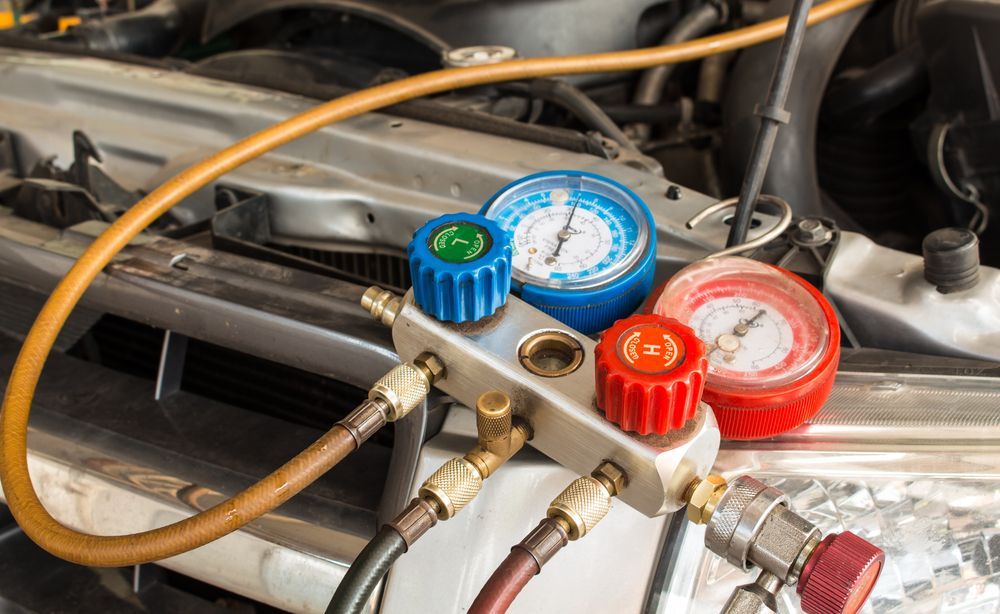
Why is my car air conditioning blowing warm air?
Car air conditioning may blow warm air for several reasons, including low refrigerant, a refrigerant leak, a faulty compressor, blocked condenser, electrical issue or a problem with the cooling fans. In some cases, the system may still run but not produce enough cold air because the refrigerant level has dropped or pressure is not being maintained correctly. Warm air should not be ignored, as running the system with an underlying fault can place extra strain on key components. A proper inspection can identify whether the issue is related to gas levels, leaks, parts failure or airflow problems.
How often should car air conditioning be serviced?
Car air conditioning should generally be checked regularly, especially if cooling performance has dropped, the vehicle is used often or it is driven in hot conditions. Even when the system appears to be working, refrigerant can slowly reduce over time and filters or components may become less efficient. Regular servicing can help maintain cooling performance, detect leaks early and keep the system operating reliably. It can also help prevent unpleasant smells caused by moisture, bacteria or blocked cabin filters. Checking the air conditioning before warmer months or long drives can help avoid uncomfortable surprises.
Why does my car air conditioning smell bad?
A bad smell from car air conditioning is often caused by moisture, mould, bacteria or debris building up in the system, especially around the evaporator or cabin filter. Because air conditioning systems remove moisture from the air, damp areas can develop if the system is not draining or ventilating properly. A musty smell is common when the system has not been used for a while or when the cabin filter is dirty. Servicing may involve checking filters, airflow and drainage, as well as identifying whether cleaning or replacement parts are needed to improve air quality.
Comfort You Can Count On
We look at how your air conditioning system is performing as a whole, including key parts such as the compressor, condenser, evaporator, fan, filters, hoses and refrigerant lines. When one component is not working properly, the entire system can struggle to cool the cabin effectively. Our team checks for common issues such as leaks, airflow restrictions, worn parts and performance changes, then explains what we find in clear, practical terms. This is especially helpful before long trips, seasonal changes or periods when you will be relying on your vehicle more often.
By having us assess your air conditioning early, we can help restore cooling performance, improve cabin comfort and reduce unnecessary strain on the system. If you’ve noticed weak cooling, unusual noises, unpleasant smells or a sudden fault, we’ll help you understand the issue and the next step.
- Cooling issues checked with care
- Clear advice on air con faults
- Comfortable driving in warmer conditions